
How Do Cashmere Sweaters Differ from Wool Sweaters?
Cashmere and wool are two popular materials for sweaters, but they have distinct differences that can affect your choice. In this FAQ, we’ll explore the key factors that set cashmere sweaters apart from their wool counterparts, helping you make an informed decision for your next cozy purchase.

Understanding Cashmere
Cashmere comes from the undercoat of cashmere goats and is prized for its incredible softness. It provides warmth without being too heavy.
One of the reasons cashmere is considered luxurious is its lightweight structure. A cashmere sweater can offer similar warmth to a wool piece while being less bulky.
The natural elasticity in cashmere allows it to maintain its shape over time, preventing stretching or sagging, which can often happen with wool.
Additionally, cashmere fibers are finer than wool, which contributes to their gentle feel on the skin. Many find cashmere more comfortable for all-day wear.
Exploring Wool Types
Wool is derived from the fleece of sheep, and there are numerous types, including merino, Shetland, and lambswool, each with unique characteristics.
Merino wool is highly regarded for its softness and moisture-wicking properties. This makes it an excellent choice for activewear or for those who live in fluctuating climates.
On the other hand, Shetland wool is known for its sturdiness and warmth, making it ideal for colder regions. It can be slightly coarse, but is praised for its durability.
Understanding these differences can help you determine which type of wool best suits your wardrobe needs. It is important to consider your climate and lifestyle.
Texture Comparison
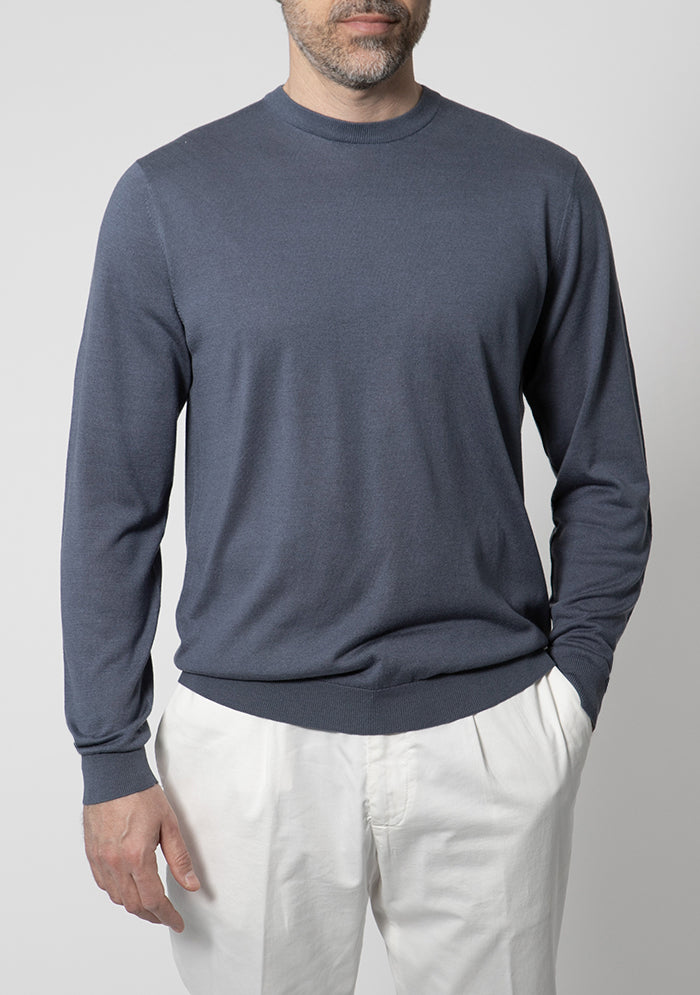
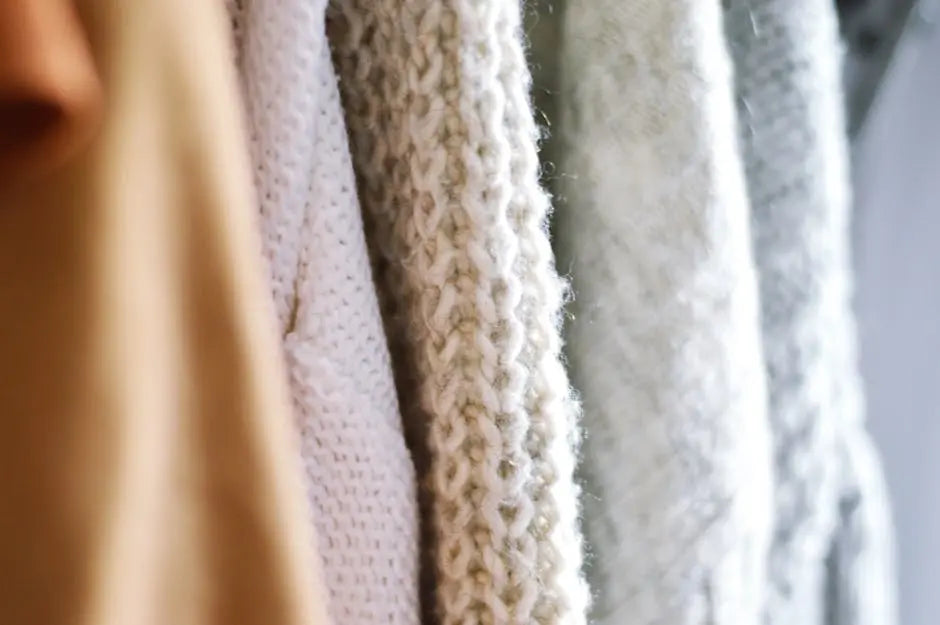
When you touch a cashmere sweater, the sensation is often likened to being enveloped in a soft cloud. This unparalleled texture is one of cashmere’s main attractions.
Wool, while cozy, can feel more textured and sometimes rough against the skin, especially if it’s a type of wool that’s less refined. This distinction is vital, especially for individuals with sensitive skin.
With wool, you’re also likely to experience pilling over time, particularly in areas of friction. Cashmere has a tendency to pill as well, but proper care can significantly reduce this issue for both fabrics.
In summary, while both materials offer warmth and style, cashmere excels in luxurious softness, making it a favorite for those seeking comfort.
Care and Maintenance
Caring for cashmere requires a gentle touch. Hand washing in cold water with a mild detergent is recommended to maintain its structure and softness.
Wool, in contrast, can usually withstand machine washing on a gentle cycle, depending on the specific wool type. However, always check the care label first to avoid shrinkage.
Storing sweaters properly is crucial for both cashmere and wool. It’s best to fold them instead of hanging to preserve their shape. Moreover, using storage bags can help prevent moth damage.
Regular maintenance, like brushing pilled areas gently, can prolong the life of both sweater types. Remember, a little tender loving care goes a long way!
Cost Considerations
Cashmere sweaters typically come with a higher price tag due to the sourcing and processing of the fibers. It takes a significant amount of cashmere goats to yield even a small amount of usable wool.
Wool sweaters, while still an investment, are generally more affordable. The wide-ranging types of wool also provide various price points suitable for different budgets.
However, it’s essential to weigh cost against longevity. A well-cared-for cashmere sweater might last many seasons, possibly leading to better value over time.
In conclusion, consider both your budget and how often you plan to wear the sweater. Quality pieces will always be worth the investment, regardless of the material.
Choosing Your Perfect Sweater
Now that you understand the key differences between cashmere and wool sweaters, you can confidently choose the right material that suits your needs and preferences. Whether it’s the luxurious feel of cashmere or the durability of wool, each offers its unique benefits for your wardrobe.